
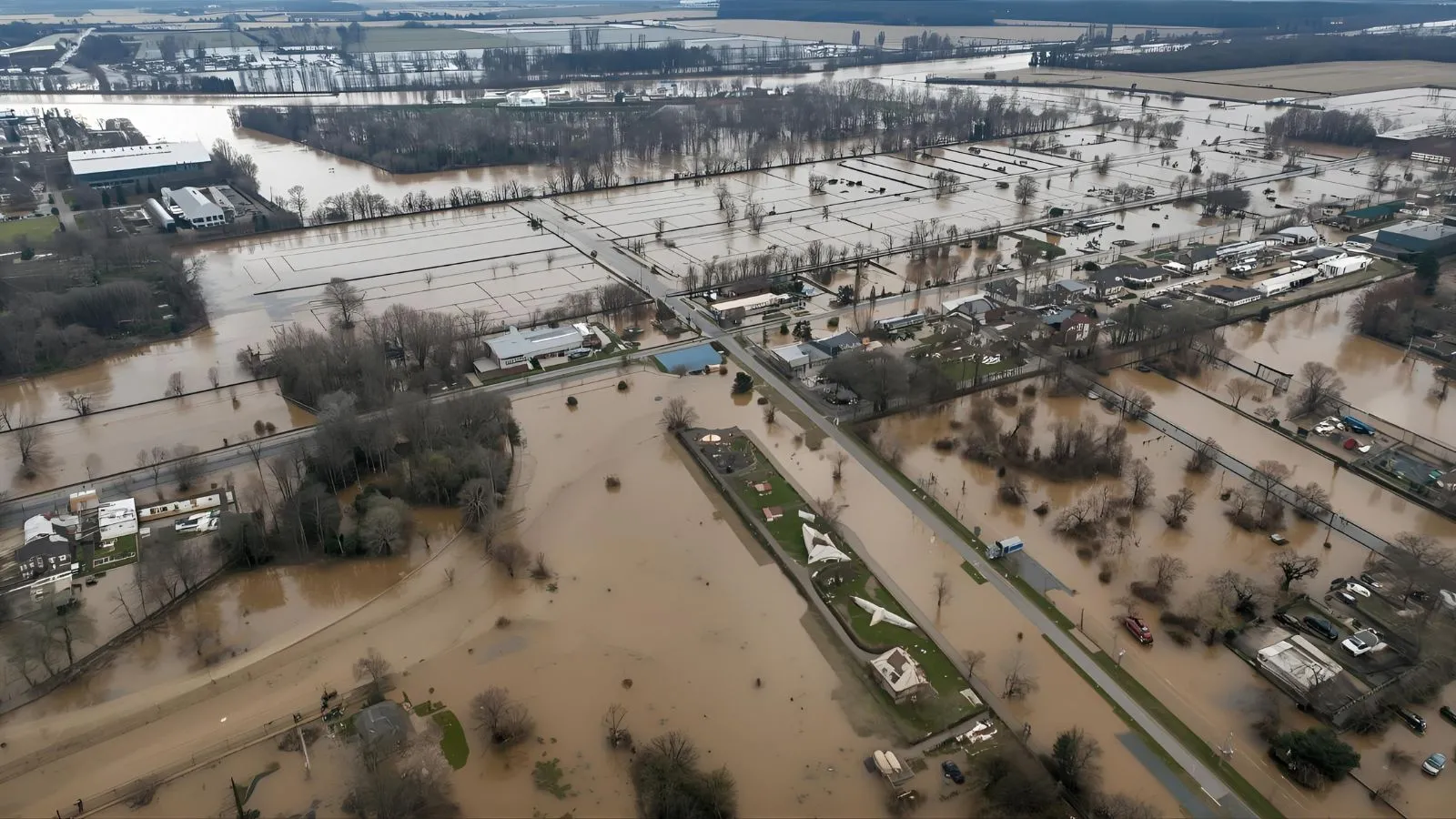
Floods are one of the most powerful natural disasters on Earth. They don’t just cover streets and fields with water—they reshape landscapes, disrupt lives, and remind us how closely we are tied to nature. Whether caused by heavy rains, overflowing rivers, or rising seas, floods leave behind stories of survival, resilience, and lessons for the future.
🌧️ What Causes Floods?
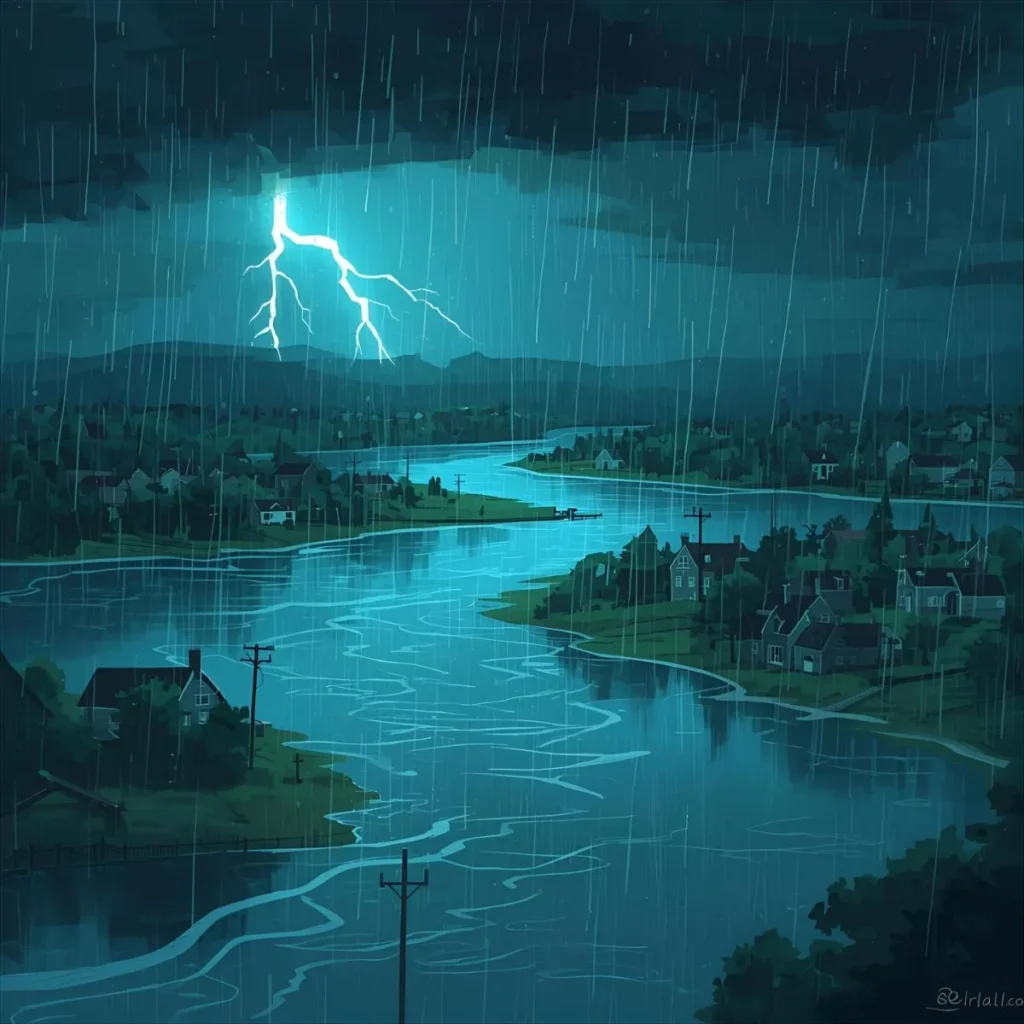
Floods don’t just “happen”—they have triggers. Some of the most common causes include:
- Heavy Rainfall: When the sky doesn’t stop pouring, rivers and drains quickly overflow.
- Cyclones & Storm Surges: Coastal areas are hit hard when sea levels rise suddenly.
- Melting Snow & Glaciers: Sudden melts in mountain regions swell rivers beyond control.
- Poor Urban Planning: Paved roads and clogged drains leave cities vulnerable to flash floods.
- Human Activities: Deforestation and encroachment on wetlands reduce the land’s ability to absorb water.
⚠️ The Impact of Floods
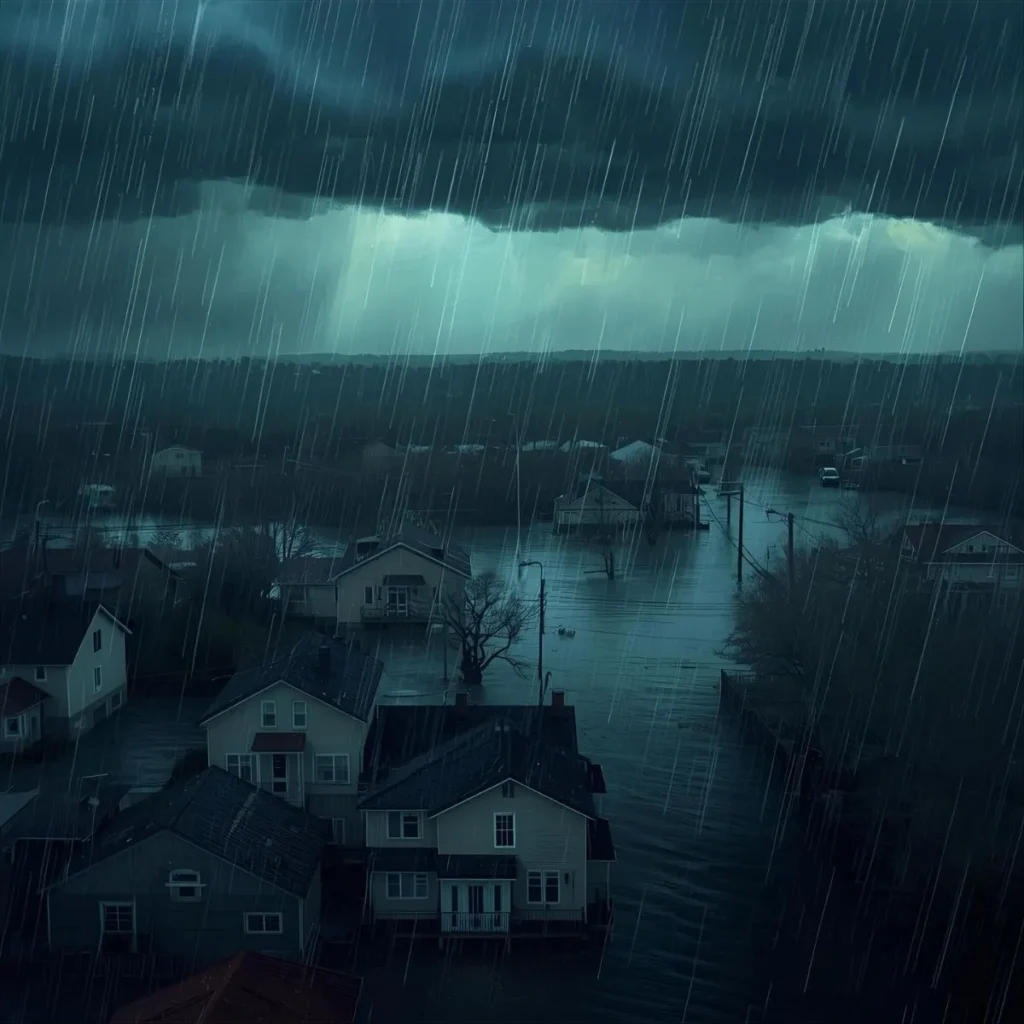
Floods can be both destructive and, in rare cases, beneficial (as in the case of soil fertility from river floods). But their negative impacts are far greater:
- 🏚️ Loss of homes and property
- 🌾 Damage to crops and livestock
- 🦠 Spread of waterborne diseases
- 🚶 Mass displacement of people
- 🌍 Erosion and environmental damage
💡 Can We Prevent Floods?
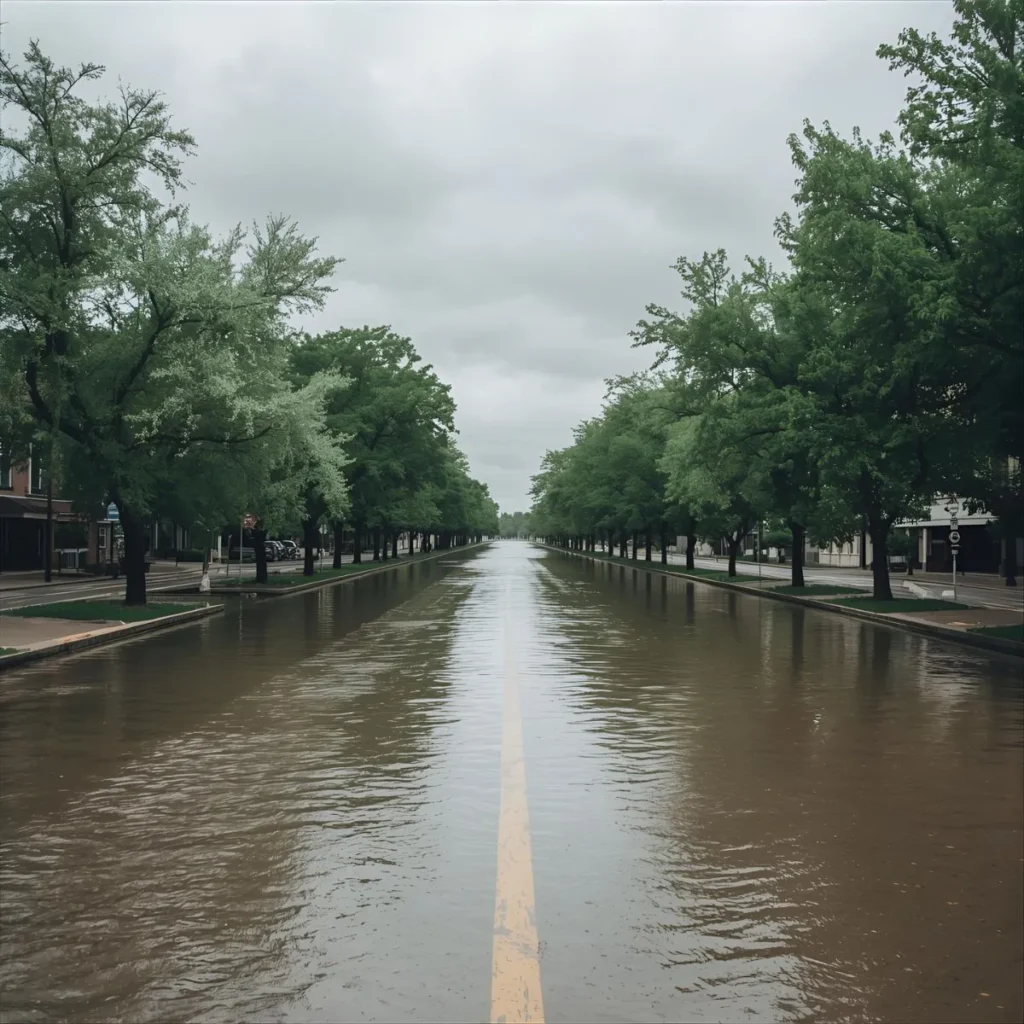
We cannot stop floods entirely, but we can certainly reduce their impact. Here’s how:
- Better Infrastructure: Strong embankments, floodwalls, and modern drainage systems.
- Green Solutions: Planting trees, restoring wetlands, and protecting riverbanks.
- Technology & Forecasting: Early warning systems give people time to evacuate safely.
- Community Awareness: Prepared communities respond faster and suffer less.
🌱 Final Thoughts
Floods remind us that nature always finds a way to balance itself. Instead of only fearing them, we must focus on preparedness, sustainable living, and resilience. With smarter planning and stronger communities, we can face floods not as helpless victims—but as survivors who learn and adapt.