

The tragedy of Karbala is one of the most defining moments in Islamic history. More than just a battle, it was a stand for truth, justice, and humanity against oppression and tyranny. The sacrifice of Imam Hussain ibn Ali (peace be upon him), the grandson of Prophet Muhammad (peace be upon him), has left a legacy that continues to inspire people across generations and cultures.
The Stand of Imam Hussain
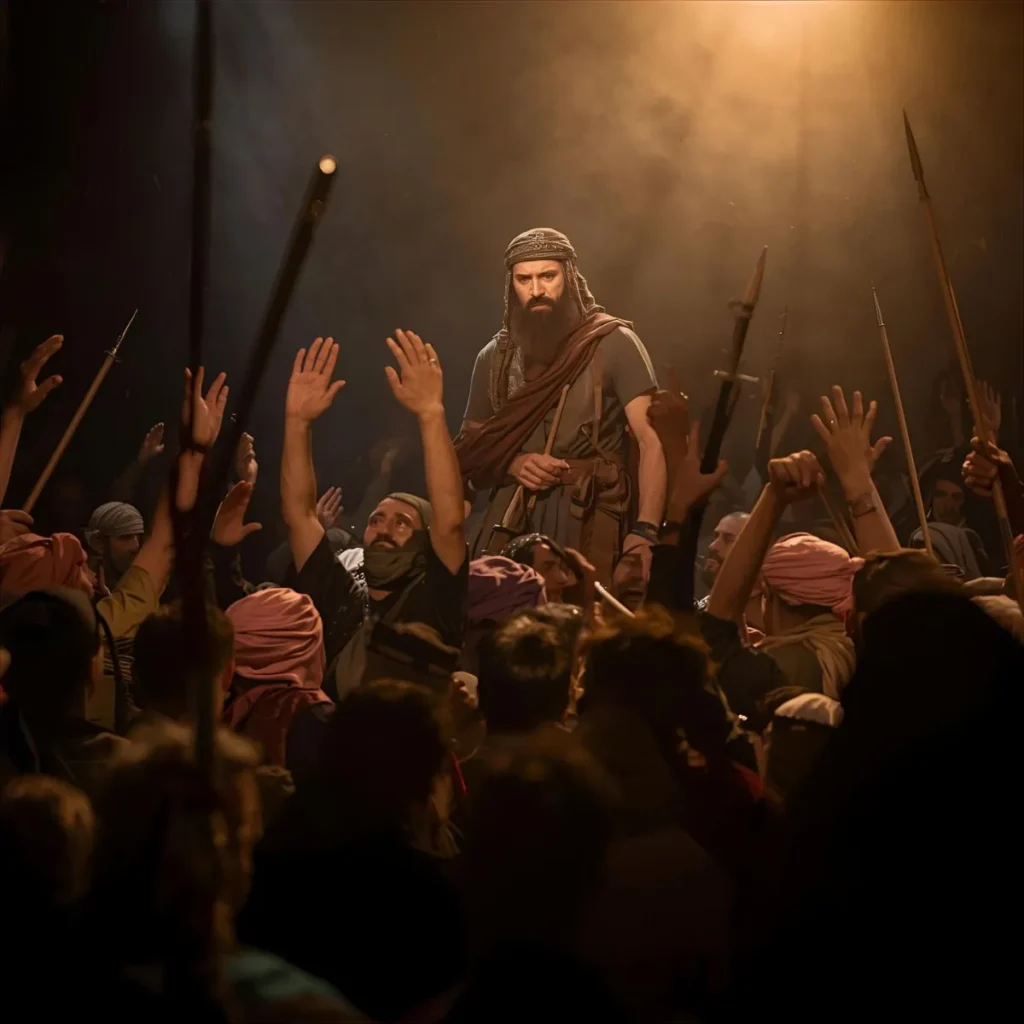
Imam Hussain refused to pledge allegiance to Yazid ibn Muawiya, whose leadership symbolized corruption and injustice. Instead, he chose the path of sacrifice to safeguard the true values of Islam. With his family and a small group of companions, Imam Hussain journeyed to the plains of Karbala, fully aware of the challenges ahead but firm in his mission.
The Tragedy of Ashura
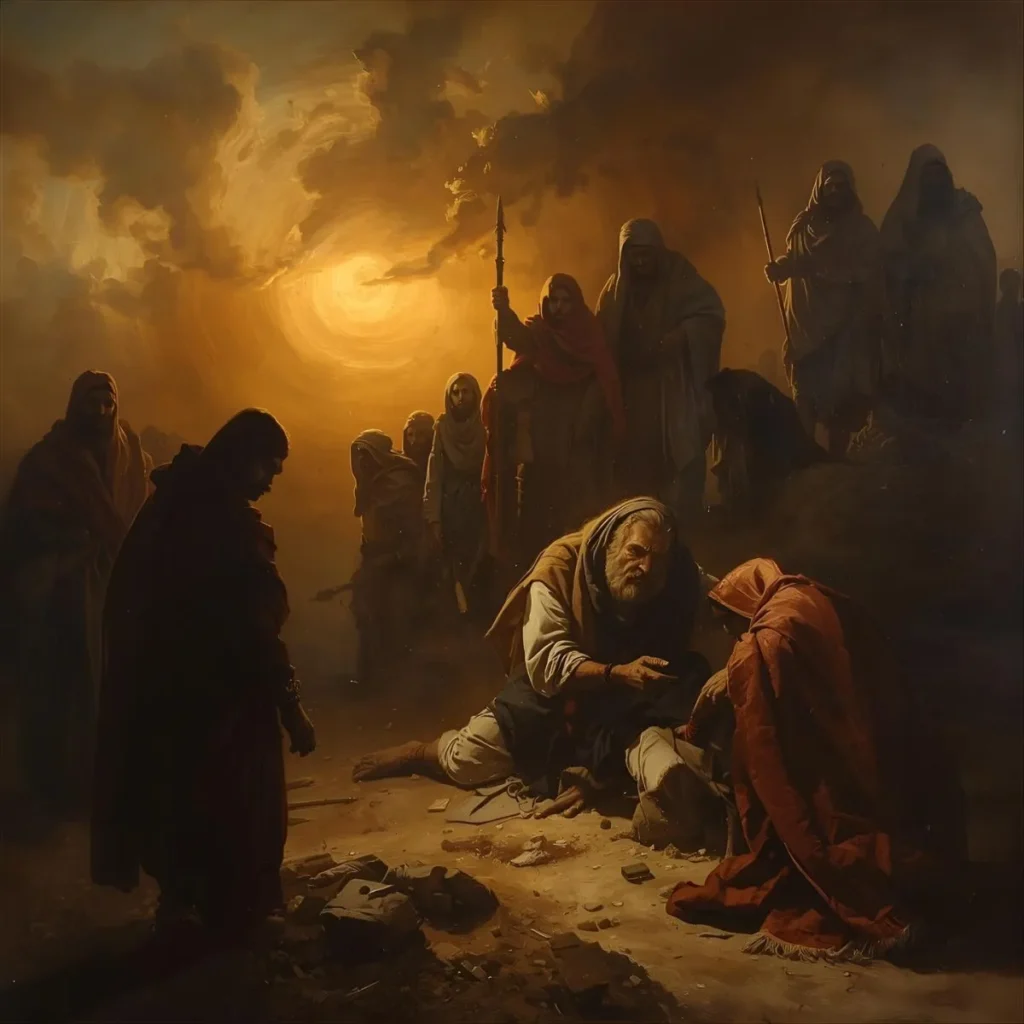
On the 10th of Muharram, known as Ashura, Imam Hussain and his companions faced Yazid’s vast army. Despite being deprived of water and surrounded by hardships, they displayed unmatched courage, patience, and faith. One by one, the companions and family members of Imam Hussain were martyred, until he himself embraced martyrdom, sealing his eternal place in history as a defender of truth and justice.
Lessons from Karbala

Karbala is not just an event of the past—it is a timeless lesson for humanity. Imam Hussain’s stand teaches us that truth must be defended even against overwhelming odds. His sacrifice was not for power or personal gain, but to protect values, reform society, and uphold justice. This message resonates beyond religion, inspiring all who believe in resisting oppression and standing firm for what is right.
Conclusion Karbala remains a beacon of courage, sacrifice, and righteousness. Imam Hussain’s legacy continues to inspire millions around the world to uphold truth, resist injustice, and live with dignity. Karbala is not merely a story from history—it is a universal message that justice and truth will always prevail, no matter the sacrifice required.