
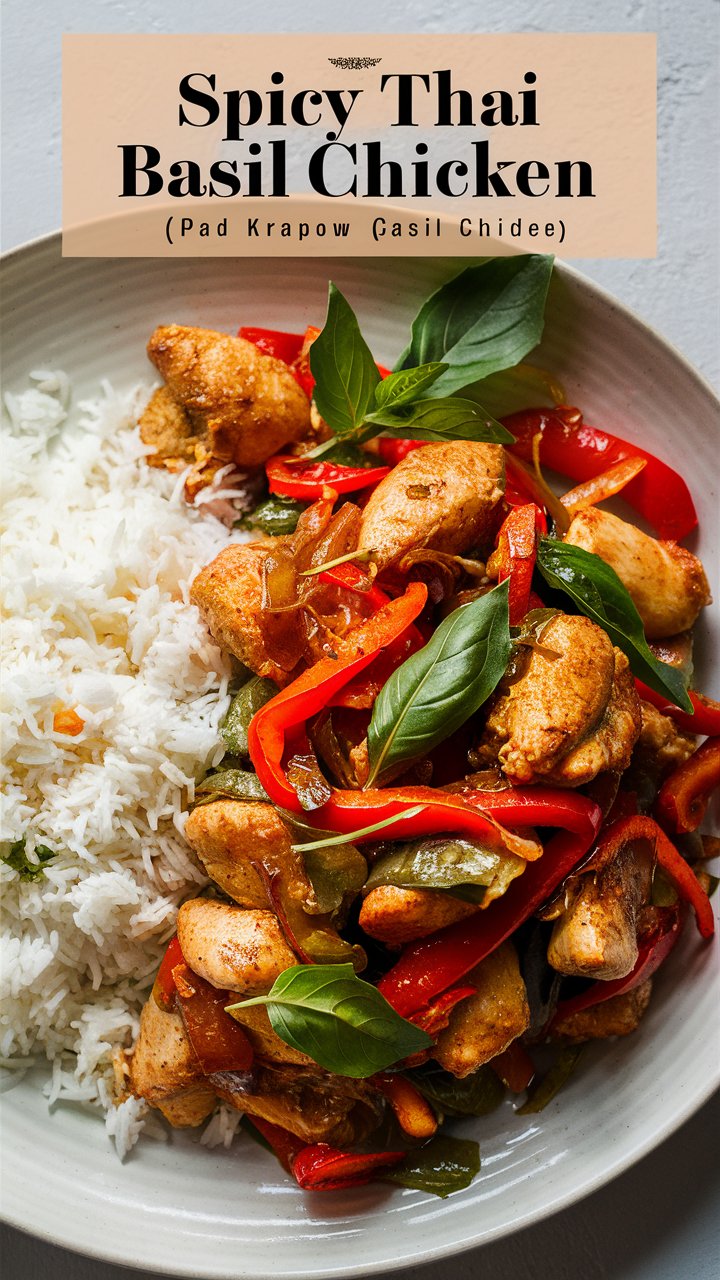
The sizzle of chicken hitting a hot skillet, mingling with the intoxicating aroma of fresh Thai basil and garlic, evokes a vivid image of bustling streets in Bangkok. Thai Basil Chicken, also known as Pad Krapow Gai, is more than just a meal—it’s a culinary experience that transports you to the heart of Thai street food culture. With its balance of savory, spicy, and herbal flavors, this dish is a favorite for both casual weeknight dinners and impressive gatherings. Whether you’re a novice cook or a seasoned chef, mastering this dish is both achievable and immensely satisfying.
In this comprehensive guide, we’ll explore everything from ingredients and preparation to variations, pairings, storage, and troubleshooting, ensuring you can create a dish that’s vibrant, flavorful, and crowd-pleasing every time.
Why You’ll Love This Recipe
Thai Basil Chicken is beloved not only for its bold flavors but also for its versatility and simplicity. Here’s why this recipe stands out:
- Quick and Easy Preparation: From chopping ingredients to serving the finished dish, it takes just 30 minutes, making it perfect for busy weeknights.
- Customizable Ingredients: Whether you want it spicier, milder, or with added vegetables, this recipe adapts easily to your taste preferences.
- Vibrant Colors and Aromas: The bright green basil, red chilies, and golden chicken make the dish as visually appealing as it is flavorful.
- Protein-Rich and Nutritious: Packed with lean protein, vitamins from fresh herbs, and minimal added fat, it’s a wholesome meal.
- Impressive Yet Simple: Serve it to guests, and it looks gourmet while being simple enough for home cooks of any level.
Ingredients for Thai Basil Chicken
Organizing your ingredients before cooking ensures a smooth process. Here’s everything you’ll need:
Protein
- 1 lb boneless, skinless chicken breasts, cut into bite-sized pieces (substitute with ground turkey, beef, or tofu if preferred)
Fresh Herbs and Aromatics
- 1 cup fresh Thai basil leaves (for maximum flavor, use vibrant green leaves)
- 4 garlic cloves, minced
- 2 fresh red chili peppers, thinly sliced (adjust for spice tolerance)
Sauce Ingredients
- 3 tbsp low-sodium soy sauce
- 1/4 cup chicken broth (or vegetable broth for tofu)
- 1 tbsp cornstarch (for thickening the sauce)
Cooking Essentials
- 2 tbsp vegetable oil (or any neutral oil suitable for high-heat cooking)
Optional Garnishes
- Sliced green onions, crushed peanuts, or a fried egg for authenticity
- Lime wedges for added zest
Pro Tip: Preparing all ingredients ahead of time (mise en place) ensures a seamless cooking experience.
Step-by-Step Instructions for Perfect Thai Basil Chicken
Follow these steps to achieve a restaurant-quality dish at home:
Step 1: Prepare Your Ingredients
Chop the chicken into uniform bite-sized pieces. This ensures even cooking and tender results. Mince garlic finely and slice chilies thinly. Wash and pat dry the basil leaves, setting them aside to preserve freshness.
Step 2: Whisk the Sauce
In a small bowl, combine soy sauce, chicken broth, and cornstarch. Whisk until smooth, ensuring there are no lumps. This mixture will create a glossy, flavorful coating for your chicken.
Step 3: Sear the Chicken
Heat the oil in a large skillet or wok over medium-high heat. Add the chicken pieces in a single layer, allowing them to sear without overcrowding the pan. Cook until golden brown on all sides, about 5–7 minutes. Proper searing locks in juices and enhances flavor.
Step 4: Add Garlic and Chilies
Reduce heat slightly and stir in the minced garlic and sliced chilies. Sauté for about 1 minute until fragrant. The aroma should be intense but not burnt—keep stirring to prevent overcooking.
Step 5: Pour in the Sauce
Add the prepared sauce to the pan, stirring to coat all chicken pieces evenly. Let it simmer for 2–3 minutes, allowing the sauce to thicken and cling to the chicken. Taste and adjust seasoning if necessary.
Step 6: Fold in Fresh Basil
Turn off the heat and fold in the basil leaves, stirring just until wilted. Overcooking will diminish the basil’s vibrant flavor and color.
Step 7: Serve
Transfer the chicken to a serving plate and drizzle with any remaining sauce. Serve over steamed jasmine rice, coconut rice, or noodles. For authenticity, top with a fried egg or crushed peanuts.
Cooking Techniques & Tips
- Searing for Flavor: Always sear chicken first; it locks in moisture and creates a golden crust.
- Control Heat: Adjust chili quantity to your preferred spice level. Start small and add more as needed.
- Sauce Consistency: If the sauce is too thick, add a splash of broth; too thin, allow it to simmer longer.
- Basil Timing: Add basil last to maintain aroma and color.
Variations & Customizations
Thai Basil Chicken is versatile and can be adapted:
- Protein Swaps:
- Ground turkey, beef, pork, or tofu.
- Each absorbs the sauce differently, offering new textures.
- Vegetable Additions:
- Bell peppers, snap peas, mushrooms, or baby corn can add crunch and nutrition.
- Stir-fry vegetables separately to maintain crispness.
- Sauce Tweaks:
- Coconut milk for a creamier sauce.
- Peanut butter or peanut sauce for a Thai fusion twist.
- Tamari or gluten-free soy sauce for dietary adjustments.
- Spice Adjustments:
- Chili paste, crushed red pepper flakes, or Sriracha can elevate heat.
- Balance with a pinch of sugar if it gets too fiery.
Pairing & Serving Suggestions

- Rice Options: Jasmine rice, brown rice, or coconut rice for a subtle sweetness.
- Noodles: Rice noodles or egg noodles make a hearty alternative.
- Sides: Light cucumber salad, stir-fried vegetables, or spring rolls.
- Garnishes: Fried egg, sliced green onions, or crushed peanuts enhance texture and flavor.
Pro Tip: Serve immediately after cooking for the best aroma and taste.
Storage & Reheating
- Store leftovers in an airtight container in the refrigerator for up to 3 days.
- Reheat gently in a skillet over medium heat, adding a splash of broth to maintain moisture.
- Avoid microwaving for too long as the basil can lose flavor and color.
Common Mistakes & Troubleshooting
- Overcooked Chicken: Can become dry. Cook just until internal temp reaches 165°F (74°C).
- Wilted Basil: Add last and stir briefly.
- Thin Sauce: Simmer longer or add a bit more cornstarch slurry.
- Too Spicy: Balance with sugar, coconut milk, or extra rice.
Nutritional Information (Per Serving, 1 Cup)
- Calories: 330
- Protein: 40g
- Fat: 10g (Saturated: 1g, Unsaturated: 8g)
- Carbohydrates: 21g (Fiber: 1g, Sugar: 2g)
- Sodium: 550mg
- Cholesterol: 90mg
Tip: Reduce sodium by using low-sodium soy sauce or adding less sauce.
FAQs
Q1: What is Thai Basil Chicken?
A: Also called Pad Krapow Gai, it’s a traditional Thai stir-fry combining chicken, Thai basil, garlic, and chilies with a savory sauce.
Q2: How can I make it spicier?
A: Add fresh chilies, chili paste, or crushed red pepper flakes. Let the sauce simmer to blend flavors.
Q3: Can I prepare it ahead of time?
A: Yes. Keep chicken and sauce separate if possible and combine during reheating for fresh basil flavor.
Q4: Can it be made gluten-free?
A: Substitute soy sauce with tamari or coconut aminos.
Q5: What sides pair best with it?
A: Jasmine rice, coconut rice, noodles, stir-fried veggies, or a light cucumber salad.
Conclusion
Thai Basil Chicken is a versatile, flavorful, and visually stunning dish that brings the taste of Thailand to your kitchen. Its bold flavors, quick preparation, and endless customization options make it perfect for weeknight meals or special occasions. By mastering the techniques outlined in this guide, you can confidently create a dish that’s aromatic, spicy, and perfectly balanced.
Whether you stick to the classic chicken version or experiment with proteins, vegetables, and sauces, every bite offers a taste of authentic Thai cuisine. Gather friends, serve over steaming rice, and enjoy the vibrant flavors that make Thai Basil Chicken a timeless favorite


