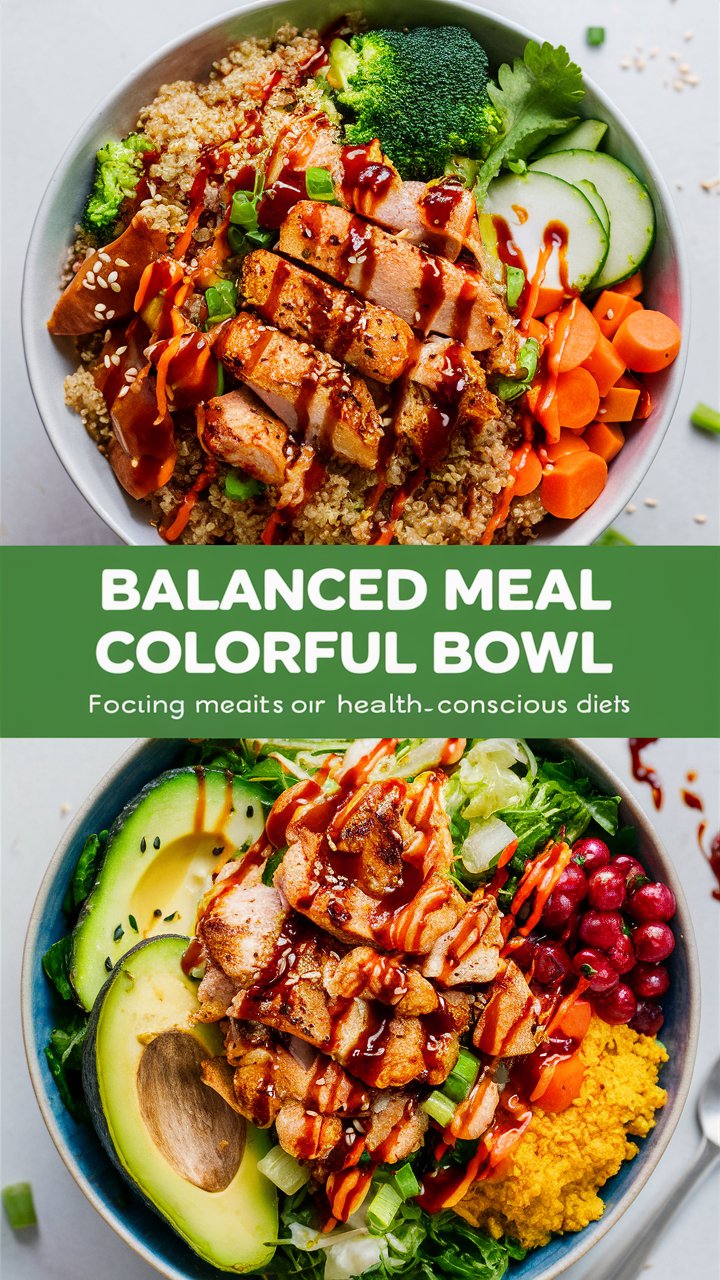
There’s something truly comforting about a well-prepared Buddha Bowl. Bursting with vibrant colors, textures, and flavors, it’s a meal that satisfies both the eyes and the palate. Among the many variations, the Thai Chicken Buddha Bowl stands out as a perfect combination of wholesome grains, fresh vegetables, and protein-rich chicken, all infused with a zesty Thai-inspired marinade. Whether you’re planning a cozy weeknight dinner, a healthy meal prep for the week, or an impressive dish for guests, this Buddha Bowl promises a delightful experience in every bite.
This article will guide you through everything you need to know to prepare the perfect Thai Chicken Buddha Bowl, from understanding its nutritional benefits to mastering the cooking process. By the end, you’ll have all the tools and tips to make this dish your go-to dinner option.
What is a Buddha Bowl?
Buddha Bowls are a modern culinary phenomenon celebrated for their balance of flavors, textures, and nutrition. Traditionally, a Buddha Bowl is a single-serving meal that includes a mix of:
- Whole grains (like rice, quinoa, or farro)
- Protein (chicken, tofu, tempeh, or legumes)
- Fresh or roasted vegetables
- A flavorful dressing or sauce
- Optional toppings like nuts, seeds, or herbs
The name “Buddha Bowl” is believed to refer to the bowl’s full, rounded shape, resembling the belly of Buddha—a symbol of abundance and satisfaction. These bowls are designed to be nutritionally balanced, offering a mix of carbohydrates, protein, and healthy fats in one satisfying meal.
Why Buddha Bowls Are So Popular
- Customizable: You can swap ingredients based on dietary preferences or seasonal availability.
- Nutritionally Dense: They provide a variety of nutrients in one meal, from protein to fiber, vitamins, and minerals.
- Visually Appealing: The colorful ingredients make for an Instagram-worthy presentation.
- Meal Prep Friendly: Components can be prepped in advance, making weekday meals simple and quick.
Buddha Bowls have evolved globally, incorporating cuisines from Thai, Mediterranean, Mexican, and Middle Eastern traditions. The Thai Chicken Buddha Bowl is a perfect example, blending authentic Thai flavors with the versatility of this popular dish format.
Why Choose Thai Chicken for Your Buddha Bowl?
Thai cuisine is renowned for its balance of sweet, savory, and spicy flavors, often achieved through fresh herbs, zesty citrus, and aromatic spices. Using chicken as the protein source brings several advantages:
- High Protein: Chicken is a lean source of protein, essential for muscle repair and satiety.
- Quick Cooking: Chicken breasts cook quickly, making the meal prep process efficient.
- Versatile Flavor Absorption: Chicken easily takes on marinades, making it ideal for Thai-inspired sauces.
- Family-Friendly: It’s widely liked and adaptable for different spice preferences.
In this recipe, the chicken is marinated in coconut aminos, lime juice, fresh garlic, ginger, brown sugar, and sesame oil, creating a flavor-packed protein that pairs beautifully with wholesome grains and fresh vegetables.
Ingredients Breakdown
Creating the perfect Buddha Bowl requires understanding how each ingredient contributes to flavor, texture, and nutrition. Here’s a detailed breakdown:
1. Grains: The Base of Your Bowl
- Brown Rice: Nutty and hearty, it offers fiber and slow-digesting carbs for lasting energy.
- Quinoa: A protein-rich alternative that’s gluten-free and provides essential amino acids.
- Other Options: Farro, couscous, or bulgur can be used for variety.
Tips: Cook grains with a pinch of salt and a drizzle of sesame oil for added flavor. Keeping the grains slightly firm ensures the bowl maintains texture when layered with sauces.
2. Protein: Thai Chicken or Alternatives
- Boneless, Skinless Chicken Breasts: Tender, lean, and protein-rich.
- Vegan Options: Marinated tofu or tempeh can replace chicken for plant-based diets.
The key to perfect chicken is marinating for at least 30 minutes, or overnight for deeper flavor. The Thai-inspired marinade combines:
- Coconut aminos (or soy sauce) for umami
- Lime juice for acidity
- Brown sugar for sweetness
- Fresh garlic and ginger for aroma and spice
- Sesame oil for nuttiness
3. Vegetables: Color, Crunch, and Nutrition
Fresh vegetables are the heart of any Buddha Bowl, providing fiber, vitamins, and visual appeal. Recommended vegetables include:
- Bell Peppers: Sweet and crunchy, rich in vitamin C
- Cucumbers: Refreshing and hydrating
- Carrots: Add color, sweetness, and beta-carotene
- Edamame: Adds protein and texture
- Avocado: Creamy texture and healthy fats
Tips: Slice vegetables thinly for even layering, or roast them lightly for a warm bowl variation.
4. Sauces and Dressings
The sauce ties the bowl together. Options for this recipe include:
- Thai Peanut Sauce: Creamy, slightly sweet, and nutty
- Sesame-Lime Dressing: Light, tangy, and refreshing
- Spicy Chili Sauce: Adds a kick for heat lovers
Drizzle sparingly to avoid overpowering the natural flavors of vegetables and grains.
5. Optional Toppings
- Sesame seeds
- Chopped fresh cilantro
- Crushed peanuts or cashews
- Pickled vegetables
- Sliced green onions
These toppings enhance texture, flavor, and presentation.
Step-by-Step Recipe Instructions
Follow these detailed steps to create a restaurant-quality Thai Chicken Buddha Bowl at home:
Step 1: Prepare the Chicken
- Preheat your oven to 400°F (200°C).
- Place chicken breasts on a baking sheet lined with parchment paper.
- Season with salt and pepper.
Step 2: Make the Marinade
- In a small bowl, combine:
- ¼ cup coconut aminos
- 2 tbsp brown sugar
- 4 cloves garlic, minced
- 1-inch piece fresh ginger, grated
- 2 tbsp lime juice
- 1 tbsp sesame oil
- Mix thoroughly until smooth and aromatic.
Step 3: Marinate the Chicken
- Pour half of the marinade over the chicken, ensuring even coating.
- Let it sit for at least 30 minutes.
Step 4: Cook the Grains
- Prepare brown rice or quinoa according to package instructions.
- Fluff with a fork and keep warm.
Step 5: Roast the Chicken
- Place marinated chicken in the preheated oven.
- Roast for 25–30 minutes or until fully cooked and golden brown.
- Flip halfway for even cooking.
Step 6: Prepare the Vegetables
- Slice bell peppers, cucumbers, and carrots thinly.
- Steam or lightly roast edamame if desired.
Step 7: Assemble the Buddha Bowl
- Start with a base of grains in a deep bowl.
- Slice the roasted chicken and place over the grains.
- Arrange vegetables on top for color and texture.
- Drizzle remaining marinade or preferred dressing.
- Sprinkle optional toppings and serve immediately.
Chef’s Tips & Tricks
- Marinate Overnight: For maximum flavor, marinate chicken for 6–8 hours.
- Mix Textures: Combine crunchy, soft, and creamy ingredients for a balanced mouthfeel.
- Meal Prep Friendly: Cook grains and protein in advance; store separately in airtight containers.
- Adjust Spices: Add chili flakes for heat or honey for extra sweetness.
- Keep it Fresh: Add avocado and delicate herbs just before serving to maintain freshness.
Health Benefits of This Buddha Bowl
- High in Protein: Chicken and quinoa provide essential amino acids.
- Rich in Fiber: Brown rice and vegetables aid digestion.
- Vitamins & Minerals: Colorful vegetables supply vitamin C, potassium, and antioxidants.
- Healthy Fats: Avocado and sesame oil promote heart health.
- Balanced Meal: Offers carbs, protein, and fats in the right proportions for sustained energy.
Variations and Customizations
- Vegan Version: Replace chicken with tofu or tempeh.
- Grain Alternatives: Farro, couscous, or barley.
- Vegetable Options: Roasted sweet potatoes, snap peas, or spinach.
- Spice Levels: Mild, medium, or spicy chili sauce.
- Sauce Alternatives: Peanut, sesame, or coconut curry sauce.
FAQs
Q1: Can I prepare this dish in advance?
Yes. Cook grains and chicken ahead of time. Store in separate airtight containers for up to 4 days. Assemble just before eating.
Q2: Can I make it gluten-free?
Absolutely. Use coconut aminos instead of soy sauce and ensure all grains are gluten-free.
Q3: How can I make it kid-friendly?
Reduce chili or spicy elements, use mild peanut sauce, and serve vegetables finely chopped.
Q4: Can I freeze it?
Grains and chicken can be frozen separately, but fresh vegetables are best added fresh to maintain crunch.
Serving & Presentation Ideas
- Use deep bowls to showcase layers of grains, protein, and vegetables.
- Arrange vegetables in sections to create a colorful rainbow effect.
- Garnish with sesame seeds, fresh herbs, and a lime wedge for an Instagram-ready look.
- Pair with light drinks like green tea or sparkling water with lime.
Conclusion
The Buddha Bowl with Thai Chicken is more than just a meal; it’s a nutritious, flavorful, and visually stunning experience. With a combination of lean protein, wholesome grains, and vibrant vegetables, it satisfies hunger while providing essential nutrients. Whether you’re cooking for yourself, family, or guests, this recipe is flexible, customizable, and perfect for any occasion.
With the tips, variations, and step-by-step instructions provided, you now have everything needed to create the ultimate Thai Chicken Buddha Bowl. Experiment, add your favorite ingredients, and enjoy a dish that is as healthy as it is delicious.